Hearing Emotions: The Unseen Power of Sound Design
In a constantly changing media landscape, sound design is one of the most powerful tools for engaging an audience’s memory...

Leveraging technology, innovation, and human experiences to captivate your audience.
In a constantly changing media landscape, sound design is one of the most powerful tools for engaging an audience’s memory and emotions. It works behind the scenes, but it shapes every experience. It’s more than background music and carefully placed footsteps—the entire soundscape takes on a personality of its own, tailored to keep the audience gripped.
Sound design is the art of creating and manipulating audio for media. It covers everything from the engine hum added to a TV taxi scene to the disappointing chime your Windows PC makes when it crashes in the middle of a report. It’s one of the main drivers of atmosphere in film, TV, and games. What many people don’t realize is how big a role sound design also plays in brand recognition and user experience.
Take this example, which almost all of us know:
Even without visuals, most of us hear that four-second sound and immediately think “Netflix.” Many of us also picture a favorite show, a great night on the couch, or what we’re watching next. All of that from less than five seconds of audio. That’s the emotional and psychological power of sound design.
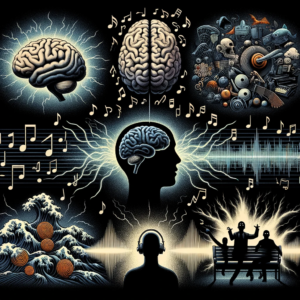
The relationship between sound and human psychology has been studied extensively across media and branding.
Sound design is no longer auditory embellishment—it’s a crucial part of creating an engaging, compelling experience. The craft lies in choosing sounds that complement the storytelling (visual or not), adding depth to a character, a brand’s identity, or a scene’s intensity.
Believable sound design takes a keen ear, creative instinct, and technical skill—balancing audio and visuals so the experience feels seamless and immersive for every listener.
Watch this clip from Steven Spielberg’s Saving Private Ryan. In my opinion, it’s a prime example of sound design’s power to pull viewers into a narrative.
The scene opens with the serenity of the waves and the silent soldiers on the landing craft. That calm soundscape, set against their tense faces and physical reactions, creates a strong sense of unease—the calm before the storm.
Then the hum of the boat and the crash of the waves give way to the chaos of gunfire and explosions, capturing the feeling of being completely overwhelmed and unprepared. It’s a visceral experience and a masterclass in using sound to evoke chaos, fear, and urgency.
Sound designer Gary Rydstrom built an authentic battlefield environment, blending real and synthetic sounds to convey the confusion and terror of combat. Combined with Spielberg’s cinematography, his work transports viewers into the battle and helped make Saving Private Ryan a milestone in cinema.
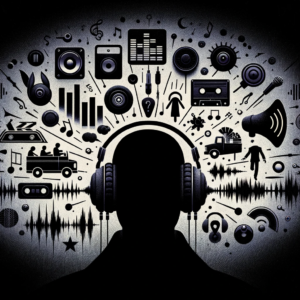
New technology keeps expanding what sound design can do. Spatial audio and immersive soundscapes are changing how media relates to us. Instead of traditional stereo, these techniques place the listener at the center of the action with a full 360 degrees of audio information.
The applications are broad, and we’re especially excited to put this technology to work in virtual reality (VR) and gaming, where spatial sound is a huge part of the appeal and realism.
The role of sound design in media should never be underestimated. It elevates a story’s impact, a brand’s recognition, a listener’s emotional response, and the intensity of an experience. As technology advances, the possibilities are endless—and the most exciting chapters in media and branding are still ahead.
ATAM Audio crafts sonic branding, sound design, and immersive audio that audiences remember. Let’s talk about what your brand should sound like.
In a constantly changing media landscape, sound design is one of the most powerful tools for engaging an audience’s memory...
We’ve been crafting sonic magic behind the scenes with our friends at Matchstic, the branding powerhouse known for guiding companies...
Clean audio is what separates content people finish from content they skip. Whether you’re producing a podcast, a video series,...