Hearing Emotions: The Unseen Power of Sound Design
In a constantly changing media landscape, sound design is one of the most powerful tools for engaging an audience’s memory...

Leveraging technology, innovation, and human experiences to captivate your audience.
You can recognize Netflix with your eyes closed. Same with Intel, THX, and Mastercard. That’s not luck. Each of those sounds was built on a handful of principles that show up again and again in the world’s most memorable brand audio. Here are six of them, plus how we put them to work when we build a sonic logo at ATAM Audio.
A sonic logo (also called an audio logo or sound mnemonic) is a short, ownable sound, usually under three seconds, that tells people who you are before they see a thing. It’s the audio version of your visual mark.
The best ones sit inside a bigger sonic identity. When Mastercard launched its sonic brand in 2019, it wasn’t just a logo. It was a melody that adapts across genres and cultures, plus ringtones, hold music, and the acceptance sound you hear at checkout. One idea, many touchpoints.
Sound isn’t a nice-to-have anymore. An Ipsos analysis of more than 2,000 video ads found that audio brand assets are, on average, more effective than some visual ones. Ipsos’ advice: use audio to build branded attention over time.
Brands are catching on, but not always in the right way. amp’s 2026 Best Audio Brands report found that 73% of the brands studied now use a sonic logo, and custom campaign music is up 140% year over year. The catch? Investment in long-term, owned sonic identities is slipping. Plenty of brands are buying a good sound for one campaign. Far fewer are building one that pays off for years.
Intel’s famous “bong” is a simple five-note tune by composer Walter Werzowa. That’s the whole trick: a few events, recognizable in under a second. If someone can’t hum it back to you, it’s too complicated to remember.
The Netflix “ta-dum” sounds synthetic, but it isn’t. According to Twenty Thousand Hertz, sound designer Lon Bender built the hits from his wedding ring knocking on a cabinet, layered with a slowed-down anvil. Real recordings, transformed past recognition, give a sonic logo texture that a preset never will. They also make it impossible to copy.
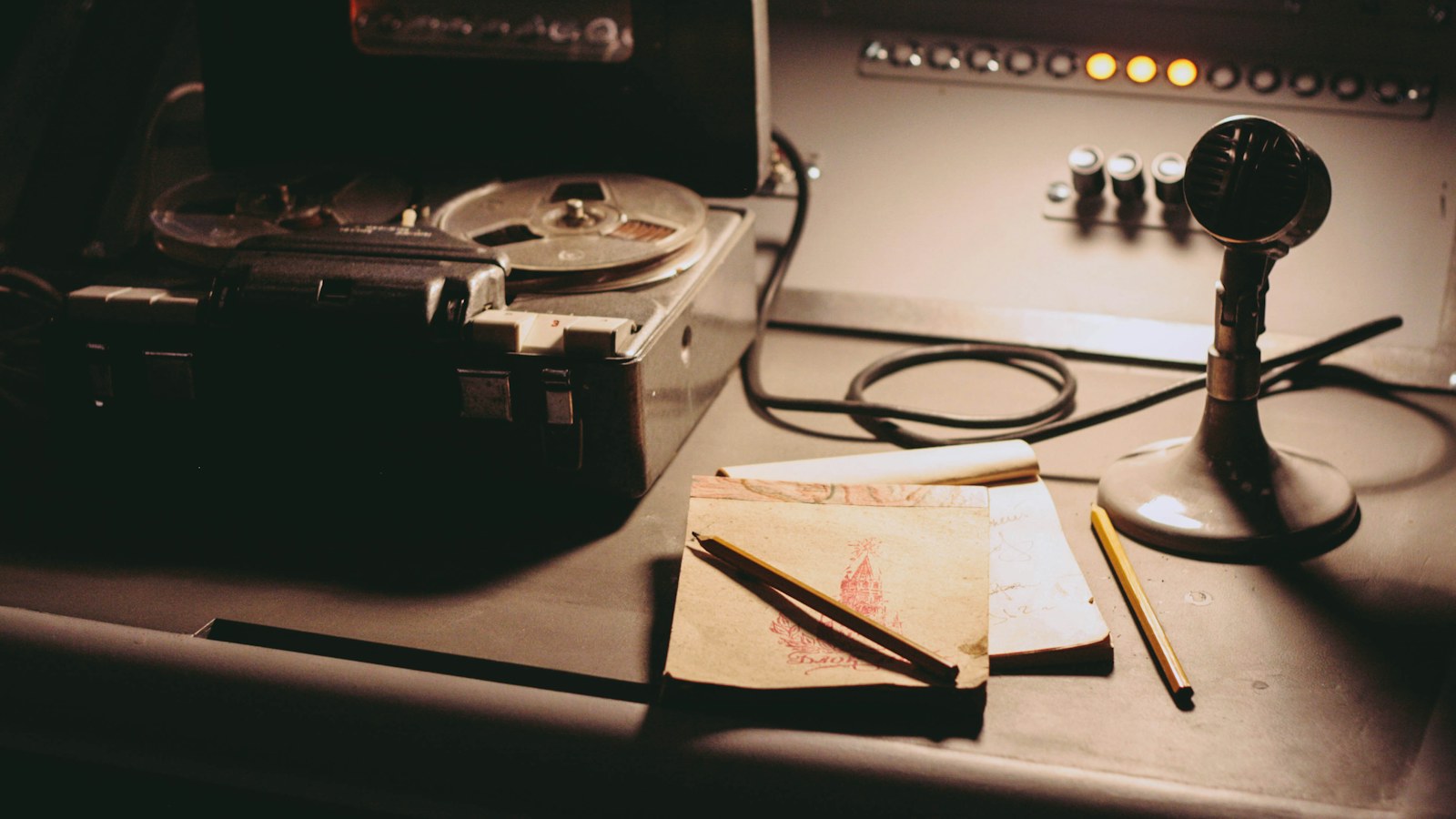
That same Netflix sound ends with what the team called the “blossom,” a tonal swell from a reversed electric guitar phrase recorded by composer Charlie Campagna. Without it, “ta-dum” is just a knock. The short, resolving tail is what turns a click into a brand.
The THX Deep Note, created by James A. Moorer and debuted in 1983, starts with 30 voices wandering between 200 and 400 Hz, then sweeps them into a massive chord spanning three octaves. Chaos resolving into order. The shape of a sound (where it starts, where it lands) tells a story long before the listener thinks about it.

Mastercard’s melody works as an operatic piece, a cinematic score, or a short checkout chime. That flexibility is what lets one sonic idea live in ads, apps, phone lines, and stores without ever sounding off-brand. Your sonic logo should come with variations from day one: a full version, a short cut, and a palette you can build from.
Netflix didn’t pick its sound in a conference room. The team created roughly 20 to 30 options, grouped them by feel, and narrowed the field with consumer testing. The finalists reportedly included a goat. Listening tests catch what opinions miss.
Those principles are the standard. Here’s how we meet it, without ever copying anyone.

Want to hear it in action? Listen to our audio logo for Cyderes’ Howler Cell.
If you checked fewer than four, your brand is leaving recognition on the table.
ATAM Audio designs original sonic logos and sonic identities built for recall, from first concept to final master. Let’s talk about what your brand should sound like.
In a constantly changing media landscape, sound design is one of the most powerful tools for engaging an audience’s memory...
We’ve been crafting sonic magic behind the scenes with our friends at Matchstic, the branding powerhouse known for guiding companies...
Clean audio is what separates content people finish from content they skip. Whether you’re producing a podcast, a video series,...